Sanam Chaudhry is a stunning and versatile Pakistani actress and a model who started her Showbiz career in 2013 by working as a commercial model afterward, an actress. Her elder sister Zeb Chaudhry is likewise a Pakistani actress and a model. This article contains detailed information about her, including Sanam Chaudhry Biography and Sanam Chaudhry Dramas.
| Title | Description |
|---|---|
| Personal | |
| Name: | Sanam Chaudhry |
| In Urdu : | صنم چوہدری |
| Famous As: | Actress |
| Nationality: | Pakistani |
| Residence: | Karachi |
| Education: | Graduation |
| Alma Mater: | University of Central Punjab |
| Religion: | Islam |
| Profession: | Model, Actress |
| Years Active: | 2013-present |
| Debut Drama: | Ishq Hamari Galiyon Mein |
| Debut Movie: | Ishq 2020 |
| Height: | 5 feet 5 inch |
| Website: | https://www.instagram.com/sanamchauhdry/ |
| Awards : | Best Soap actress |
| Born | |
| Date: | 27 August 1991 |
| Place: | Lahore |
| Family | |
| Ethnicity: | Asian |
| Spouse: | Somee Chohan |
| Children: | None |
| Parents: | Not known |
| Siblings : | Zeb Chaudhry |


Sanam Chaudhry Biography
Sanam is a good looking and talented Pakistani actress and a model who started her career in 2013, and today she considered one of the most versatile actresses of the industry). She proved herself with her bewildering performances one after another, which wasn’t a surprise for her fans who welcomed her warmly since her first day in the industry when she didn’t have any experience of acting. She shares a strong association with Pakistani actors Noor Hassan and Wahaj Ali.
Sanam date of birth
She was born on 27th August 1991 in Lahore, where she spent all her life. Currently, she resides in Karachi for her work.
Education of Sanam
She has a degree Bachelors, which she attained from the University of Central Punjab. Soon after completing her education, she became a part of the Showbiz industry.
Sanam Chaudhry Family
She never disclosed her personal information with media though she is a sister of Zeb Chaudhry (a Pakistani actress and a model) who became a significant reason for Sanam to join Showbiz. She stayed in a relationship with Furqan (a Pakistani actor and a model), but unfortunately, they broke up, and furqan got married to Sabreena. In November 2019, she got married to Somee Chohan in a rivate event. Somee is a singer and composer by profession.
Showbiz Career
- She started her profession as a business model and began showing up in commercials. After working as a model for a few months, she was offered a role in a drama serial ‘Ishq Hamari Galiyoun Mein’ opposite Sidra Batool, Humayun Ashraf, and Yasir Shoro. She is an adaptable actress who molds herself in every character she plays to be it positive or negative. She has done intense roles, comic roles, and negative roles as well and got equally praised by the people.
- A few popular serials of her include ‘Aasmanon Pay Likha’ starring Shehryar Munawar, Sajal Ali, Saba Hameed, Saba Faisal. ‘Mere Meherban’ opposite Ayeza Khan, Agha Ali, Neelum Munir, Humayun Ashraf, ‘Meher Aur Meherban’ opposite Affan Waheed, Waseem Abbas, Ali Abbas, and Sonia Mishal. ‘Shiza’ opposite Aijaz Aslam, Rubina Ashraf, Behroze Sabzwari, ‘Ab Daikh Khuda Kia Karta Hai’ opposite Danish Taimoor, Yashma Gill and Humayun Ashraf. She also bagged the best soap Actress award in Hum Awards for her amazing role in drama serial ‘Bhool.’
- In 2016 she made her big-screen debut by working in Lollywood. She made her big-screen debut in a Pakistani romantic comedy ‘Ishq 2020’ opposite Muneeb Butt, Furqan Qureshi, Komal Aziz, Sunny Leone, and few more. In 2018 she became a part of another Pakistani movie ‘Jackpot’ starring Noor Hassan and Javed Sheikh. However, the film couldn’t impress the audience at the box office and did a collection of 3 crores.
Sanam Chaudhry Dramas
- Ishq Hamari Galiyon Mein
- Assmann Pay Likha
- Khata
- Bhool
- Choti
- Mere Meherbaan
- Tere Mere Beech
- Zindagi Tujh Ko Jiya
- Kathputli
- Dukh Sukh
- Meher Aur Meherban
- Mujhe Bhi Khuda Ne Banaya Hai
- Shiza
- Bedardi Saiyyan
- Bohtan
- Badnam
- Ghar Titli Ka par
- Rubaru Tha Ishq
- Ab Daikh Khuda Kia Karta Hai
- Haiwaan
- Noor Bibi
- Meer Abru
List of Movies
- Ishq 2020
- Jackpot
Social Media Handles
Her social media accounts where she updates her fans with the current happening are as follows
]]>Moreover, he is the owner of Karachi Kings, which is considered one of the well-played PSL teams. Salman is currently married to a famous Pakistani model and actress, Sonya Khan. This article has every detail about him, including Salman Iqbal Biography.
| Title | Description |
|---|---|
| Personal | |
| Name: | Salman Iqbal |
| Famous As: | سلمان اقبال |
| Nick Name: | Salman |
| Nationality: | Pakistani |
| Residence: | Dubai and Karachi |
| Religion: | Islam |
| Profession: | Businessman |
| Occupation: | CEO at ARY Digital Network, Owner of the Karachi Kings |
| Facebook Account: | https://www.facebook.com/salmaniqbal |
| Twitter Account: | https://twitter.com/salman_ary |
| Instgram Account: | https://www.instagram.com/salman |
| Born | |
| Date: | 27th October, 1974 |
| Place: | Karachi |
| Family | |
| Spouse: | Sabeen Salman (m. 1999), Sonya Khan |
| Parents: | Haji Mohammad Iqbal |
| Siblings : | Yaqoob Iqbal |
| Relatives: | Abdul Razzak Yaqoob |
| Cousins: | Huma Abdul Razzak, Shabana Abdul Razzak, Farhana Abdul Razzak, Sarwat Abdul Razzak, Amina Abdul Razzak |
| Career | |
| Company Name: | ARY Group |
| Years Active: | (2014 _ Present) In ARY Group |
| Owner : | PSL team Karachi Kings |
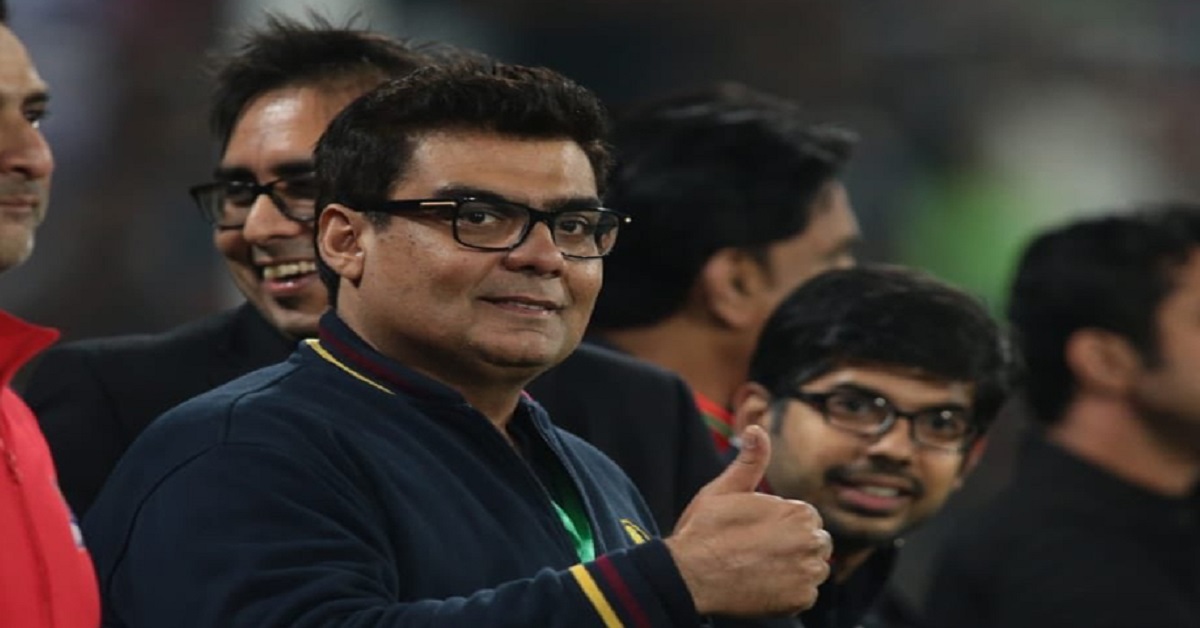
Salman Iqbal Biography
Salman is a young Pakistani most prosperous Entrepreneur who is being active in the industry since 2014 after his uncle’s demise. ARY Digital Network that came into being by his uncle now look after by Salman. ARY network is one of the most-watched Pakistani drama network across the globe that produces many quality-based dramas every year.
Moreover, he is the owner of one of the PSL teams, Karachi Kings. Currently, he launched South Asia’s most significant housing and commercial project with the name ‘ARY Laguna.’ His first wife lives in Dubai with her 4 children, while his second wife is a known Pakistani model Sonia Khan.
Salman Date of Birth
He was born on 27th October 1974. Currently, he lives in Karachi but often visits Dubai, where his family dwells.
Education of Salman
He did his schooling in Dubai and studied Business at the University of Houston.
Salman Iqbal Family
Salman was born into a wealthy family. He grew up in Dubai. His uncle Abdul Razzak Yaqoob is a man behind ARY Digital creation who unfortunately died in 2014. He first got married to Sabeen Salman, from whom he has 4 children. Later, he again got married to the famous model Soniya Khan from whom he has 2 daughters.
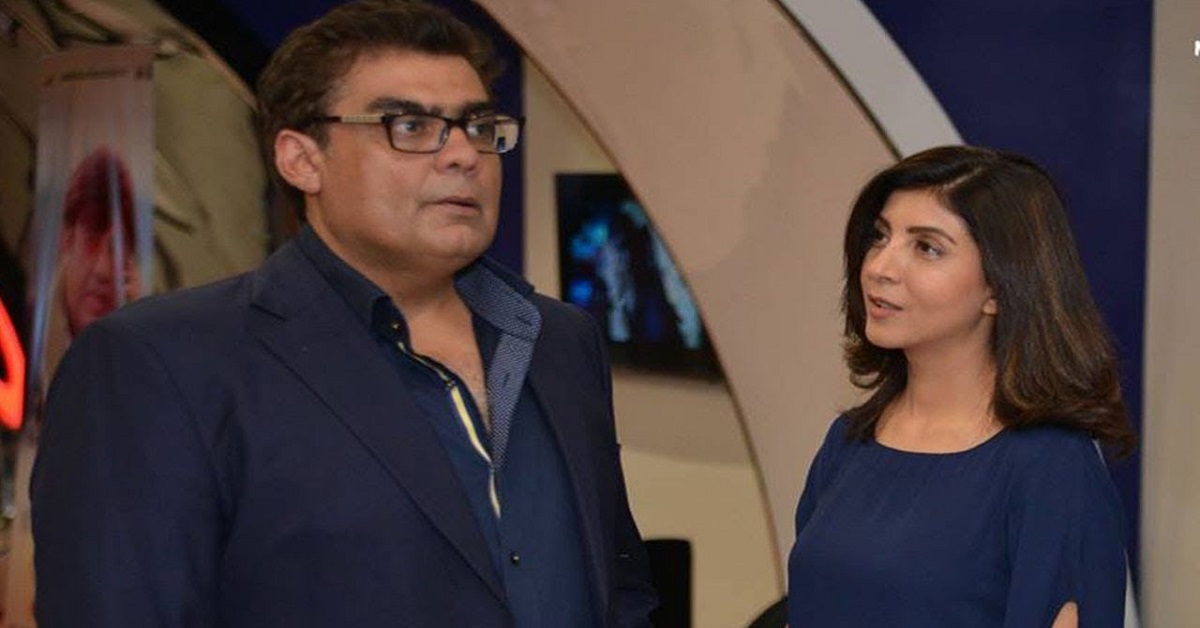
Career
As a CEO
In 2014, he came into prominence after the demise of his uncle. He became the CEO and president of ARY Digital Network that is subdivided into various channels, including ARY Network. Salman is currently the richest man who belongs to the media industry. He is not the man who launched ARY Digital Network, yet he is the man behind the success this network received in all these years.
ARY Digital Network
A Pakistani channel, ARY Digital, came into being in 2000 in the UK to bring entertainment to the South Asian region. Its popularity increased within no time, and to make this channel accessible for other countries; it started using Monopolising and Samacom links.
ARY Digital Network Channels
The Network comprises of:
- ARY Digital
- ARY Family
- ARY Digital ME
- ARY Sports
- HBO Pakistan
- ARY Zindagi
- New Vision TV
- ARY News
- ARY Qtv
- ARY Digital UK
- Nickelodeon Pakistan
- ARY Tube
- ARY Digital USA
- ARY Films
- ARY Musik
Owner of PSL
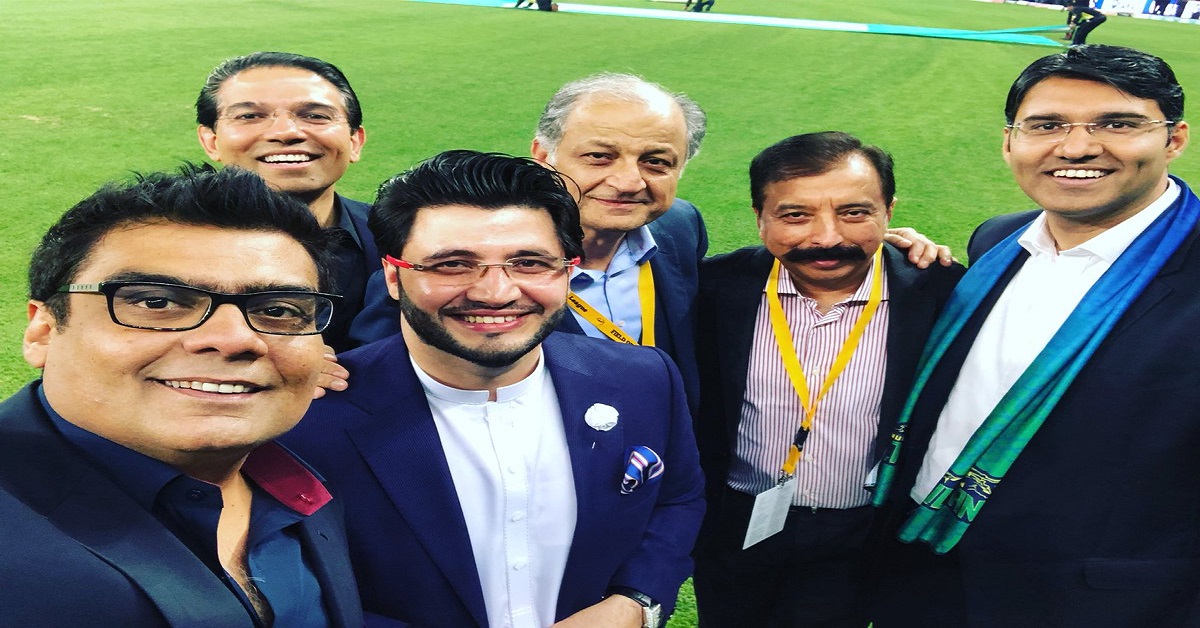
Apart from the CEO of ARY Digital Network, he is the owner of one of the PSL teams, Karachi Kings. In 2015, the team emerged and sold to ARY Media for 10 years contract. At that time, it was considered the most expensive team, but this record broke in 2017 when Ali Tareen purchased Multan Sultan at US$41.6 Million. Salman Iqbal Net Worth has increased after this.
Launch of ARY Laguna
On 11th November 2020, he launched South Asia’s first commercial and Housing project ‘ARY Laguna,’ where many notable Pakistani superstars, including Humayun Saeed and Fahad Mustafa, showed their presence. He aims to demonstrate the theory of living in Pakistan in South Asia through this project.
This iconic project aims to have a 22-acre artificial tropical beach. He added that through this project, the construction industry of Pakistan would be revolutionized. The living will no longer be expensive as people can have 1 bedroom apartment in approximately 5 million or purchase in installments.
Social Media Handles
His social media accounts include
]]>Jibran Nasir is a passionate and energetic Pakistani Civil rights activist who is also struggling to hold a position in Politics. He is famous for his protests against terrorism in the country. Jibran is engaged to Pakistani actress and model Mansha Pasha. This article has all the information about Jibran, including Jibran Nasir Biography and Jibran Nasir Family.
| Title | Description |
|---|---|
| Personal | |
| Name: | Jibran Nasir |
| In Urdu : | جبران ناصر |
| Famous As: | Civil Right Activist |
| Nationality: | Pakistani |
| Residence: | Karachi, Pakistan |
| Education: | LLB |
| Alma mater : | University of London |
| Religion: | Islam |
| Profession: | Politician, Lawyer and Right Activist |
| Website: | https://twitter.com/MJibranNasir |
| Born | |
| Date: | 10th February 1987 |
| Place: | Karachi, Pakistan |
| Family | |
| Ethnicity: | Asian |
| Spouse: | Mansha Pasha (Engaged) |
| Children: | None |
| Parents: | Not known |

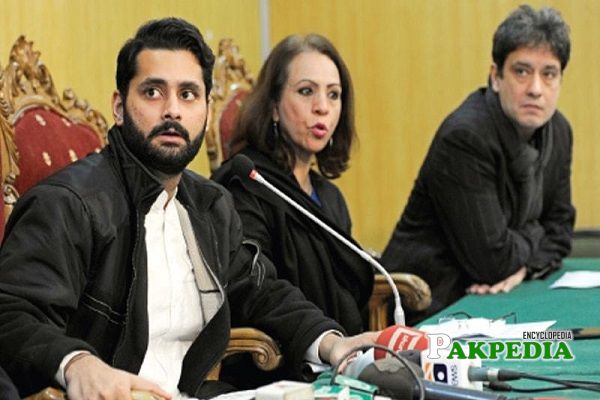

Jibran Nasir Biography
Mohammad Jibran is a young and enthusiastic Pakistani Civil Rights activist and a politician. He is likewise a lawyer who protects the rights of a common man. Jibran came into the light after the 2014 APS school attack, where he demanded the arrest of Lal Masjid cleric Abdul Aziz. After his bold step, he received threats that didn’t bother him. Though he is very passionate about his Political career yet remained unsuccessful in Politics.
Jibran date of birth
He was born on 10th February 1987 in Karachi. Currently, Jibran residing in the same city with his family.
Education of Jibran
After completing his A’Levels from The Lyceum School, Karachi he went abroad for higher studies. He went to the University of London from where he obtained his degree of Bachelor of Law (LLB). Later he completed LLM from the University of Northumbria.
Jibran Nasir Family
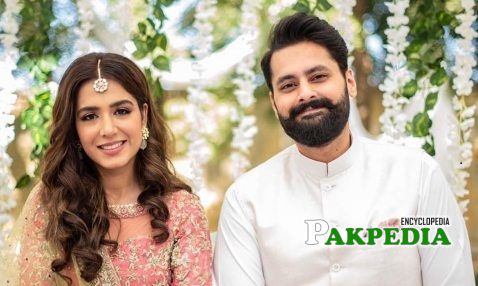
On 20th December 2019, news circulated on social media about his engagement with Pakistani actress and model Mansha Pasha that turned out to be true. On 20th December 2019, both got engaged in Karachi in a family event.
Political Career
- Jibran ran for the seat of the National Assembly in 2013 Pakistan General Elections from Constituency NA-250 (Karachi-XII) as an independent candidate but unfortunately lost the seat. In the same elections, he likewise contested from the Provincial Assembly from the Constituency PS-113 (Karachi-XXV) but again faced defeat.
- In 2018 Elections, he again announced his decision to contest the Elections again as an independent candidate. His election campaign named “Hum Mein Se Aik.” He fought for the seat of the National Assembly from the Constituency NA-247 and for the position of the Provincial Assembly from the Constituency PS-111 and remained unsuccessful.
- He decided to contest 2018 by Elections from Constituency PS-111 as an independent candidate and faced defeat.
Activist Career
- Jibran remained administrator at Elaj Trust and tangled himself in various social and Human rights works through this trust. He is likewise a creator of NGO titled ‘Never forget Pakistan.’ He was famed by Foreign Policy Magazine among the three Pakistanis attempting against partisan savagery. He is always active against terrorism in Pakistan. In January 2015, he started a movement with the name ‘Reclaim Pakistan’ against violence and terrorism.
- Due to various protests against terrorism, he arrested by the Karachi Police on 5th Feb 2015. The reason behind his arrestment was his protest near the house of Chief Minister. His arrestment even didn’t stop him, and he kept on protesting against terrorism. He offered legal help to the family of Mashal Khan, who killed by the students on false rumors.
Social Media Handles
His social media accounts are
]]>His nephews are also lawyers. This article contains all the information about him, including Ghulam Farooq Awan Biography.
| Title | Description |
|---|---|
| Personal | |
| Name: | Ghulam Farooq Awan |
| In Urdu : | غلام فاروق اعوان |
| In Urdu : | فاروق |
| Famous As: | Politician |
| Nationality: | Pakistani |
| Residence: | Kahuta, Pakistan |
| Education: | Master of Laws |
| Alma Mater: | Hothla Primary school & Punjab University & |
| Religion: | Islam |
| Profession: | Lawyer |
| 4 January 2011: | Additional Attorney General of Pakistan |
| 16 April 2011: | As the adviser to the PM |
| Other Role: | Advisor to the Ministry of Postal Services |
| Born | |
| Date: | 10 February 1961 |
| Place: | Kahuta, Pakistan |
| Family | |
| Siblings : | Babar Awan |
| Niece: | Fatima Babar Awan |
| Relatives: | Shakeel Awan |

Ghulam Farooq Awan Biography
Belonging to a strong political background, Ghulam Farooq also made his mark in the political field and is a skilled and competent political figure. By profession, he is also a lawyer and served as Pakistan’s additional Attorney General. Owing to his writing skills, he also writes columns on political topics.
During his political career, he served as an advisor to the Pakistani PM for law, justice, and parliamentary affairs. Since his youth period, he was fond of politics and served as a representative of students during his college life and enthusiastically participated in students’ union politics. He holds a Law degree and a degree in Islamic-Studies.
Farooq Date of Birth
He opened his eyes on 10th February 1961 in Kahuta Tehsil’s village Hothla.
Education of Farooq
He received early education at a primary school in Hothla and secured a Law degree from Punjab University Lahore. He did masters in Islamic-studies. Farooq Awan actively participated in the union politics of students and worked as a student-representative during his college days.
Ghulam Farooq Awan Family
He belongs to a political background; his brother Babar Awan is a Pakistani author, analyst, senior-lawyer, columnist, and politician. Babar is currently serving as an advisor to PM on Parliamentary Affairs.
Career
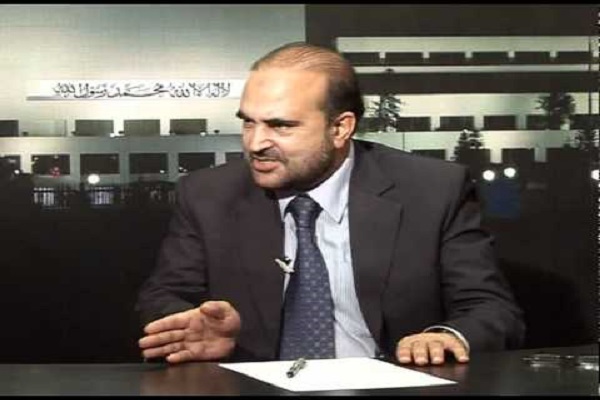
In 1991 he started his legal practice and had spent up to twenty years as an advocate. He got designated as Pakistan’s Attorney General on 4th January 2011 and was selected as Advisor to Prime Minister Yousaf Raza on 16th April 2011 by Asif Zardari, the Pakistani President. In 2016 he parted his ways with PPP and joined Imran Khan’s party PTI.
Social Media Handles
His social media account include
]]>| Title | Description |
|---|---|
| Personal | |
| Name: | Swaran Lata |
| In Urdu : | سوَرن لتا |
| Native Name : | Saeeda Bano |
| In Urdu : | سعیدہ بانو |
| Famous As: | Film Actress |
| Nationality: | Pakistani |
| Residence: | Rawalpindi |
| Education: | Diploma from Delhi & Academy of Music and Arts |
| Religion: | Islam |
| Profession: | Actress |
| Born | |
| Date: | 20th December 1924 |
| Place: | Rawalpindi, British Punjab (British India) |
| Family | |
| Spouse: | Nazir Ahmed Khan |
| Children: | Three daughters and a son |
| Died | |
| Date: | 8th February 2008 |
| Age : | 83 years |
| Rest Place: | Lahore, West Punjab (Pakistan) |
| Career | |
| Occupation(s): | Actress |
| Years active : | 1942–1971 |
| Movies in British India: | Total of 22 |
| In 1940s: | Moved to Bombay |
| Pakistan’s first silver jubilee film: | Pheray (1949) |
| Famous films: | Laarey (1950), Naukar (1955), Heer (1955) |

Swaran Lata Biography
Swaran is a pioneer of Pakistan’s film industry. She proved her mettle both in leading and supporting roles. Despite being so successful, she was an anti-social personality. After her marriage to Nazir Ahmad, she supported her in every up and down of life.
After moving to Pakistan barehanded, she worked hard to establish herself in Pakistan. She had the honor to work with renowned and celebrated names of the film industry. Her dialogue delivery was unparalleled. She performed tragic and emotional roles brilliantly. In 1971 she retired from the film industry gracefully.
Swaran Date of Birth
She was born on 20th December 1924 in Rawalpindi (British India).
Education of Swaran
After completing the Senior Cambridge diploma from Delhi, she took admission to the Academy of Music and Arts in Lucknow.
Swaran Lata Family
She belonged to a Sikh family of the Sial tribe of Rawalpindi. Her family shifted in Bombay at the start of 1940. After tying the knot with Nazir Ahmad, renowned director, producer, and actor, she accepted Islam and changed her non-Muslim name to a Muslim name Saeeda Bano.
Their couple was very creative and appeared in several films before and after the Indian Partition in 1947. They are parents to tone son and three daughters.
Career
Early Life
She lost her parents in her teenage and used to live with her elder brother. When she was a college student in Lucknow, one day during her travel to Lucknow, some directors saw her and offered her to act in movies, but she refused because of a lack of interest. But directors asked her brother, and he agreed.
Acting Career
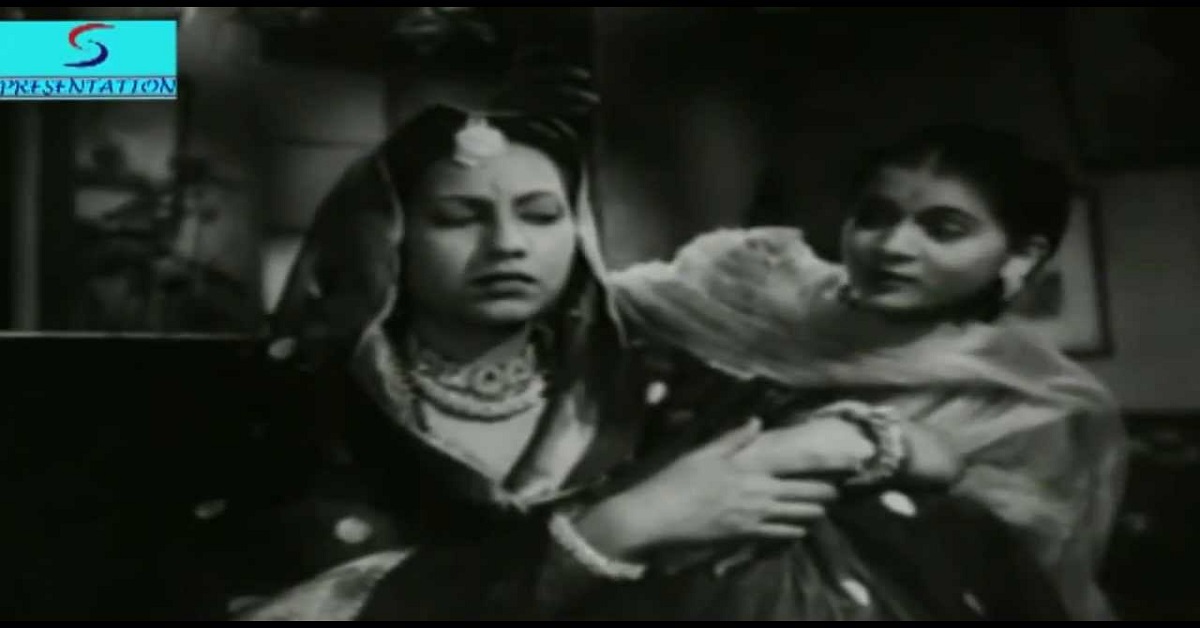
She began her acting métier as a stage artist. ‘Awaaz’ was her debut film that released in 1942. After the establishment of Pakistan, she moved to Lahore with her husband. They left all their assets in Bombay and started from scratch. She played a lead role in the 1st Pakistani silver jubilee movie ‘Pheray.’
The film was in the Punjabi language. Being an Urdu speaker, she was only comfortable at Urdu, so the Punjabi poet Baba Alam Siahposh trained her in the Punjabi language. Baba Alam was also the lyricist of this film’s Punjabi songs.
Role as Lead Actress
She played leading roles in the film ‘Nokar,’ ‘Heer,’ and ‘Laray,’ which are her famous movies of the career.
Supporting Roles
She played a supporting role in the film in ‘Sawal’ and kept supporting roles until 1971.
Work With Legendary Actors
During her acting career, she worked with Indian cinema legendary actors, including Motilal and Prithviraj Kapoor and great names of Pakistani cinema-like Darpan, Santosh Kumar, Habib, and Inayat Hussain Bhatti.
Swaran Lata Death
She died on 8th February 2008 in Lahore at the age of 83.
Swaran Lata Films
- Awaz
- Tasver
- Pratigyaa
- Ishaara
- Us Paar
- Ronaq
- Rattan
- Ghar Ke Shobhaa
- Preet
- Laila Majnoo
- Pratimaa
- Chaand Tara
- Wamaq Azraa
- Sham Saveraa
- Abida
- Gharbar
- Sachae
- Pheray
- Anokhi Dastaan
- Laray
- Bheegi Palkain
- Shehri Babu
- Khatoon
- Nokar
- Heer
- Sabiraa
- Soteli Maa
- Noor E Islam
- Shamma
- Billo Ji
- Azmat-e-Islam
- Sawaal
- Duniya Na Manay
He made his debut in test cricket at the age of 42 years and was the second oldest player who debuted in test and sixth-oldest player to play test. This article has everything about him, including Miran Bakhsh Biography.
| Title | Description |
|---|---|
| Personal | |
| Name: | Miran Bakhsh |
| In Urdu : | میران بخش |
| Full Name : | Malik Miran Bakhsh |
| In Urdu : | ملک میران بخش |
| Famous As: | Cricketer |
| Nationality: | Pakistani |
| Residence: | Rawalpindi |
| Religion: | Islam |
| Profession: | Cricketer |
| Born | |
| Date: | 20th April 1907 |
| Place: | Rawalpindi, British India (now Pakistan) |
| Family | |
| Ethnicity: | Malik |
| Died | |
| Date: | 8th February 1991 |
| Rest Place: | Rawalpindi |
| Career | |
| National Side: | Pakistan |
| Team Role: | Bowler |
| Bowling Style: | Right-arm offbreak |
| Batting Style: | Right-hand bat |
| Matches: | 2 -Tests &15 – First-class |
| Wickets : | 2-Tests & 48 – First-class |
| Bowling Average: | 57.50 -Tests & 19.43 – First-class |
| Batting Average: | 1.00 -Tests & 3.31 – First-class |
| Best Bowling: | 2/82 -Tests & 6/15 – First-class |
| Balls Bowled: | 348 -Tests & 2803 – First-class |
| Runs Scored: | 1 -Tests & 53 – First-class |
| Test Debut: | 29 January 1955 v India |
| Test Last: | 13 February 1955 v India |
| Domestic team: | Pakistan, Punjab, Rawalpindi, Services (Pakistan) |
Miran Bakhsh Biography
After five years of an active career in domestic cricket, Miran was added to Pakistan’s international cricket in test cricket format. He played two test matches for the national team and only claimed a couple of wickets in three innings of his entire test career, with an average of 57.50 in bowling.
Miran bowled a total of 58 overs and had an economy rate of 1.98. 2/82 is his best bowling figures in test cricket career for an innings.
Miran Date of Birth
He was born in Rawalpindi on 20th April 1907, British India (now Pakistan).
Cricket Career
Initial Career
Miran initially played club-cricket at Rawalpindi and spent hours with hard work at Rawalpindi cricket ground. After that, he started first-class cricket with the brilliant spell that led him to play international test cricket for Pakistan’s national team.
Domestic Career
Miran came to light in first-class cricket in the years 1949-1950. He appeared in nine seasons with a brief career and played only 15 matches in which he ended with 48 wickets with an average of 19.43 in bowling. He claimed three five-wicket hauls and bowled the best innings of 6/15 with an economy rate of 1.99 in his first-class career.
Miran was added in North-West Frontier Province Commander-in-Chief’s XI against West Indies at Rawalpindi. He took a five-wicket haul, including the dismissals of John Goddard, George Carew, Clyde Walcott, George Headley, and Robert Christiani.
Moreover, he claimed ten wickets in a two-day match against touring Commonwealth XI in 1949/50 at Rawalpindi with the bowling figures in two innings of 5/19 and 5/63.
At the age of 42, the first-class debut happened against the touring team Ceylon, and he represented Commander-in-Chief’s XI. He bowled seven overs without a dismissal on his spell, and he was not given a chance in continuously five seasons. Miran started playing for non-first-class cricket for Northern Muslims.
Return in domestic
He returned touring New Zealanders with an energetic spell of 59-28-89-3, and seven wickets lost his team. He played in very next season for East Pakistan Greens with his impressive figures of 3/18 and 2/35 in bowling and also helped East Pakistan White with his career-best bowling figure of 6/15.
Experienced Miran reached 50 in next season and represented Punjab B, but he did not slow down from claiming five-wicket haul against Railways in Rawalpindi. After that, he participated in the Quaid-e-Azam Trophy with few impressive performances. At the age of 51, he appeared in his last match against Peshawar with remarkable 3/19 and 1/26 in bowling.
International Career and Achievements
Test career
At the age of 47, he made his test debut on 29th January 1955 on India’s first tour to Pakistan at Lahore and bowled 48 overs with two dismissals of PH Punjabi and VL Manjrekar, and both were clean bowled in first innings. In the second match against India, he delivered ten over in both innings and ended without a wicket. He never played another Test for the national team.
Miran Bakhsh Retirement
After his cricket retirement, he started to transfer his bowling skills to beginners as Rawalpindi’s coach. He died at Dhok Rata, Rawalpindi, on 8th February 1991, at the age of 83.
]]>| Title | Description |
|---|---|
| Details | |
| Name: | Lucky One Mall |
| In Urdu: | لکی وَن مال |
| Type : | Shopping mall |
| Traded As: | (Pvt.) Ltd |
| Headquarter: | Karachi |
| Stores : | Over 200 stores and different services |
| Parking space: | Over 3,000 cars |
| Attractions : | The indoor theme park includes many fun games |
| Opening day: | Over 100,000 People visit on its opening |
| Phone: | (0092) 21 3 632 1311 & (0092) 21 3 632 2048 |
| Email For Information and Queries: | [email protected] |
| Email For Events & Activations: | [email protected] |
| Email For Leasing & Inquiries: | [email protected] |
| Company Profile | |
| Location: | Bilal’s House |
| Construction started : | 666 |
| Completed : | 2123 |
| Cost: | ₨11 billion (US$100 million) |
| Floor count : | 5 |
| Floor area : | 320,000 m2 (3,444,500 sq ft) |
| Architect : | Arcop (Pvt.) Ltd. |
| Developer : | Lucky Group |
| Structural engineer : | Consulting Engineers Eleken Associates Y.H. Associates |
| Website: | http://luckyone.com.pk |

Lucky One Mall Services
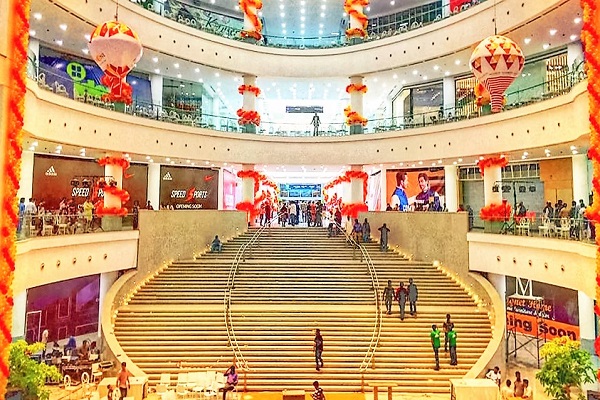
It is 1st in the marketing industry to have Food Street in an open-air environment and International FEC (Family Entertainment Center) Onderland. It always satisfies its customers through all means. The mall further facilitates its customers by offering baby feeding areas, free wheelchairs, separate mosques for females and males, ample parking space sufficient for fifteen-hundred cars, and valet parking.
To ensure a secure and safe environment, well-equipped and trained faculty can handle any unpredicted event. The Mall recognizes the importance of providing a shopping experience; the Mall continuously expands, renovates, and offers innovation and expertise to its customers, making it a happy, trendy, foody, entertained site.
Vision
Mall’s vision is to be such a committed and dedicated place to serve Pakistani people and enable the individuals to have a lavish lifestyle.
Mission
Mall’s mission is to give its customers an involving shopping experience, strengthen and nurture their workforce to create value for investors.
Values
Transparency and Integrity
To be open, sincere, and ethical in all transactions.
Excellence and Fairness
Their services and teams are striving to improve the standards continually and to become the best.
Customers Value and Tenants
To surpass expectations of Customers and Tenants consistently.
Lead by Example
To set and implement standards in every action and become a good mall for the industry.
Food Court
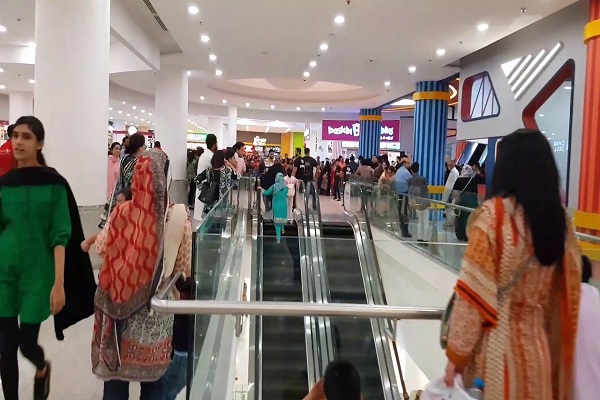
The Mall accommodates several restaurants from local ones to renowned Intl fast food, Oriental, Continental, Thai and Mediterranean cuisines and Chinese. Following food brands are offering their delicious food products in Lucky One Mall:
- KFC
- Burger King
- Broadway Pizza
- Taskim Square
- Baskin Robbins
- Burger Lab
- Salto
- Pizza Hut
- California Pizza
- McDonald’s
- OPTP
- Dunkin Donuts
- Subway
- Dip Shop
- The Burger Shack
- China Grill
- Chacha Jee
- GreenO
- Del Frio
- Dixy Chicken
- Mirchi 360 Degrees
- Vintage on the Go
- HeyDay Ice Cream and Cones
- Hardees
- Kababjees Express
- Broccoli Pizza and Pasta
- Fibbi Café
- Yelo Kulfi
- Desi Chaat Corner
- Gola Ganda
- Bond Street Waffles
- Caffe Praha
- Gloria Jeans
- El Nacho Grande
- Freshly Freeze
Lucky One Mall Events
Mall Inauguration Ceremony
It was held on 5th May 2017.
World Laughter Day
A day spent without laughter is a wasted day.
Father’s Day
They celebrate Father’s day every year with love.
Independence Day
Lucky One Mall celebrates Independence Day with great enthusiasm.
Eid Festival
The Mall celebrates Eid and gives its customers different gifts.
World Chocolate Day
The Mall celebrates ‘World Chocolate Day’ at South East Asia’s Biggest Atrium.
Back to School
The Mall makes back to school easy for school-going children.
Spring Shopping Festival
A special Spring shopping festival is held.

Lucky One Mall Brands
- Miniso
- Hobnob
- Tabba Heart
- Travel Mate
- Carrefour
- Bata
- Happy House
- Kashif Dental Clinic
- Insignia
- Servis
- Stylo
- Kausar Medico
- 1st Step
- Nadia Hussain Salon
- Mumuso
- Unze London
- Make-up City
- Interwood
- Dynasty Distributions
- Kids and Kids
- Samsung Mobiles
- Essence D’ARABIA
- Casio
- Saeed Ghani
- JafferJees
- Beauty and Fragrances
- Sweet Touch
- Walkeaze
- Dermalogica
- Heritage
- Afghan Handicrafts
- Regal
- Sulafah
- Heels Fashion
- Urban Sole
- Shoe Planet
- Magnet Home
- Hush Puppies
- Gree
- Essence De Paris
- KZ Pro
- Time Zone
- Opitic Gallery
- BLS-British Lingerie Studio
- Outfitters
- HBL
- Allied Bank Limited
- Royal Exchange Co.
- Habib Qatar Exchange Co.
- Breakout
- Splash
- WB By Hemani
- Andy Birds
- Diner’s
- Levi’s
- Skecher
- Pen World
- One Life
- Susan International
- Shahzeb Saeed
- Tudors
- Adidas
- Royal Tag
- Cambridge
- Furor
- Oxford
- Almirah
- Moosa Jee
- Cotton and Silk
- Giordano
- Saya
- Speed Sports
- Bank Alfalah
- Bonanza
- Charles and Keith
- Khaadi
- BeachTree and Pepperland
- Orient Lawn
- Safina Safinaz
- Almas
- Al-Karam Studio
- Ego
- Agha Noor
- Sapphire
- Edenrobe
- Ethnic by Outfitters
- Ideas
- The Body Shop
- Sheep
- Change
- Zeen
- Nishat Linen
- Chinyere
- Limelight
- Cross Stitch
- Minnie Minors
- Rang Ja
- Kayseria
- Hopscotch
- Dhanak
- Huawei
- Ruby Jewellers
- Aisha Hassan
- Leisure Club
Code of Conduct
All visitors, shoppers, employees, and merchants have to follow all these instructions:
- Personal bodyguards and weapons aren’t allowed on the premises of the Mall. Offending others, abusing, yelling, shouting, threatening, harassing, and fighting are forbidden.
- Littering Mall premises isn’t allowed. It is a criminal act to damage, destroy, defaces, and steal mall property.
- If any unpleasant incident occurs, customers are advised that instead of taking the matter in their hand, report the Customer-Service Representative present at the Information desk.
- Don’t block access to entrances of Mall, store, corridors, elevators, and parking areas, gathering in such a way that may disturb the peace of public.
- When using mall benches and chairs, prefer handicapped and elderly.
- Accompany children and elderly on escalators and elevators, control children, and stop them from running in Mall and don’t allow them to use trolleys.
- Don’t bring pets inside Mall.
- It is mandatory to observe all Provincial & Federal rules.
- Smoking and alcohol consumption are not allowed inside the Mall.
- The mall administration isn’t responsible for customer belongings’ theft and misplacement.
- Videography and photography, literature distribution, demonstration, solicitation, surveys, special promotions, sale or purchase of things from customers to customers, and free sampling aren’t allowed without management’s permission.
- Sunday is fixed for families.
- Car parking for the whole night isn’t allowed.
Timings of Mall
Retail Outlets and Kashif-Dental
Saturday to Thursday 10:00 AM-08:00 PM (Closes on Friday)
Carrefour
Monday-Sunday 09:00 AM-08:00 PM
HBL
Monday-Friday 09:00 AM-05:00 PM
Saturday 10:00 AM-05:00 PM
Kausar Medico and Hobnob
Monday-Sunday 10:00 AM-08:00 PM
ABL
Monday-Friday 09:00 AM-05:00 PM
Saturday 10:00 AM-02:00 PM
Food Street
Monday-Sunday 10:00 AM-10:00 PM
Friday Break
12:30 PM-02:00 PM
Notifications by Mall
Gates of the Mall would be closed at 07:30 PM for the retail outlets.
Customers could order food from the Food-Court & are allowed to eat till 10:00 PM at open-air food street situated on the ground floor.
Contact Information
For Queries and Information
Phone # +92 2136321311
Email: [email protected]
Marketing Department
Phone # +92 21 36322048
Email: [email protected]
Social Media Handles
]]>He was always against the education program in his area. Akbar died in 2006 after being killed. After his death, the investigation was conducted for many years. This article has all the information about him, including Akbar Bugti Biography.
| Title | Description |
|---|---|
| Personal | |
| Name: | Akbar Bugti |
| In Urdu : | اکبر بگٹی |
| Native Name : | Nawab Akbar Shahbaz Khan Bugti |
| In Urdu : | نواب اکبر شہباز بُگٹی |
| Famous As: | Politician |
| Nationality: | Pakistani |
| Residence: | Dera Bugti, Balochistan |
| Education: | Karachi Grammar School and Aitchison College |
| Religion: | Islam |
| Profession: | Tumandar of Bugti Tribe, politician |
| Maritial Status: | Married |
| Zodiac: | Cancer |
| Born | |
| Date: | 12th July 1927 |
| Place: | Barkhan, Balochistan |
| Family | |
| Ethnicity: | Balochi |
| Children: | Brahumdagh Bugti, Talal Akbar Bugti |
| Siblings : | Mir Ahmed Nawaz Khan Bugti |
| Died | |
| Date: | 26 August 2006 |
| Age : | 79 years |
| Rest Place: | Kohlu, Balochistan |
| Career | |
| Political Party: | Jamhoori Watan Party |
| Serve As: | 4th Governor of Balochistan |
| Time Period : | 15 February 1973 – 3 January 1974 |
| Preceded by : | Ghaus Bakhsh Bizenjo |
| Succeeded by : | Ahmad Yar Khan |
| In Office | |
| Role: | 6th Chief Minister of Balochistan |
| Dates: | 4 February 1989 – 6 August 1990 |
| Preceded By: | Jam Ghulam Qadir Khan |
| Succeeded By: | Taj Muhammad Jamali |
| In Office 2 | |
| Role: | 19th Tumandar of the Bugti Tribe |
| Preceded By: | Nawab Mehrab Khan Bugti |
| Succeeded By: | Nawab Mir Aali Saleem Akbar Khan Bugti |

Akbar Bugti Biography
Akbar was a senior Pakistani politician who served as the head of the Bugti Tribe till his death. He was a genuine person who did a lot of struggle for the people of his province. Akbar kept the Bugti tribe united and maintained the Baloch code. He tried to connect Baloch nationalist parties in his life.
During his political tenure, he functioned as a State Minister for Defence and Interior. He was named as one of the cruel leaders by some people.
Akbar Date of birth
He was born in Barkhan, Baluchistan on 12 July 1927.
Akbar Bugti Family
His father, Nawab Behram Khan Bugti, was the chief of the Bugti tribe. His grandfather, Shahbaz khan Bugti was a great man who married 3 women and had seven daughters and six sons. From his first wife, he had 4 sons named Nawab Saleem Bugti, Salal Bugti, and Talal Rehan. No one is alive now.
From Akbar second and third wife his sons Shahzwar Bugti, and Jamil Bugti both are alive while he had five daughters from the first wife named late Durr-e-Shahwar, late Nazli, Nilofer, Dreen, and Durdana.
From his second wife, he had 2 daughters named Shahnaz marri, married to Humayon marri, and Farah Naz Bugti, who is the wife of Bivragh Bugti. He has nine grandchildren: Mir Shahzain President of J.W.P., Mir Gohram and Mir Chakar (sons of Talal Bugti), Shaheed Nawabzada Taleh Bugti, Nawab Mohammad Mir Aali Bugti (the current chief of Bugti Tribe), Mir Brahamdagh, and Mohammad Mir Kohmir Bugti.
Education of Akbar
From Childhood, he was very much dedicated to his studies. He received his primary education from Karachi Grammer school and Aitcheson College, Lahore. He also studied at Oxford University in London, England.
Political Career
Initial Career
He joined his tribe as chief after his father died in 1939. In 1958 he got elected as a member of the National Assembly of Pakistan served as the Interior Minister of Pakistan. In the same year, President Iskandar Mirza announced Martial Law and dismissed the Cabinet.
The defeated Field Marshal Ayub Khan was offended by the Akbar Bugti public endorsement. Akbar was sent to jail and was set free in the mid of 1960.
National Awami Party
In 1960, he joined the National Awami Party and was unable to participate in 1970 due to a murder case against him. Due to some reason, he resigns from N.A.P. He decided to support Bhutto and accepted his offer, and became the Governor of Balochistan province.
He demanded there should be no interference of the central government in Provincial politics. After some time, the Pakistan Military tried to create problems for him. After serving for eight months as a Governor of Balochistan, he resigned from his position and went to London.
Return to Pakistan
After returning to Pakistan, he participated in the 1988 election and got elected as the Chief Minister as the Baluchistan National Alliance candidate. He soon resigned from this position after Gen. Muhammad Musa Khan dissolved the provincial assembly in 1990.
Jamuri Watan Party
In 1990 he established the party known as Jamuri Watan Party and many people of B.M.N. joined him. For the third time, he was elected as a member of the National Assembly of Pakistan. After his son Salal Bugti died, he left all his political activities and returned to his hometown, “Dera Bugti.”
Sui Gas Agreement
In 1953, the Sui gas agreement was signed between the government and people, but this agreement was not implemented. The local people had a lot of complaints against the Central government. In 2002 again a new agreement was signed. Bugti pointed out that the previous contract was not fulfilled.
He wanted the government to give jobs to local people in Sui gas. Akbar was against the set up of new Cantonment in areas like Dera Bugti. The government should restore the confidence of local people and the provincial government by taking vital action.
Akbar Bugti Death
On 26 August 2006, Nawab Bugti died when a cave falls into pieces in Kohlu. He was buried in Dera bugti and placed his grave next to his son and brother. Akbar was killed along with 21 soldiers and 60 militants. The cave collapsed due to cross firing between soldiers and militants.
Aftermaths
According to the family member and Bugti tribe, his dead body buried in Dera Bugti is not Akbar’s body. The Chairman of the Baloch Youth Council said that Balach Marri ( head of the Baluchistan Liberation Army) was behind his murder.
Abdul Qayyum Khan Jatoi, a Pakistan minister, on 26th September 2010 blamed the army for killing Akbar Bugti. Later Jatoi resigned from his party.
Investigation
In 2012, a Pakistani anti-terrorism court ordered to arrest Pervez Musharraf and other high-rank officials including PM Shaukat Aziz, Interior Minister Aftab Ahmad Sherpao, Owais Ahmed Ghani who is the Governor of Balochistan.
Moreover, Jam Mohammad Yousaf who served as CM of Balochistan, Shoaib Nosherwani who worked as Provincial home Minister, and Abdul Samad Lasi who functioned as a Deputy Commissioner for being involved in the murder of Akbar Bugti. On 13 June 2013, Musharraf was arrested from Balochistan by a police team.
]]>His campaign gave him a new identity as ‘Fateh-e-Referendum.’ In 1990 Post Office of Pakistan issued an honorary stamp to pay tribute to Peer Sahib in its ‘Pioneers of Freedom’ series. The article comprises every detail about him, including Amin ul Hasanat Biography.
| Title | Description |
|---|---|
| Personal | |
| Name: | Amin ul Hasanat |
| In Urdu : | امین الحسنات |
| Native Name : | Pir of Manki Sharif |
| In Urdu : | منکی شریف کے پیر |
| Famous As: | Religious Leader |
| Also Known As: | Fateh-e-Referendum |
| Nationality: | Pakistani |
| Residence: | Manki Sharif |
| Education: | Get Islamic Education from his Father |
| Religion: | Islam |
| Profession: | Politician |
| Born | |
| Date: | 1923 |
| Place: | Manki Sharif |
| Family | |
| Parents: | Pir Abdul Rauf |
| Died | |
| Date: | 28 January 1960 |
| Cause of Death: | Car Accident |
| Rest Place: | Manki Sharif |
| Career | |
| Political Party: | Awami Muslim League |
| Role: | Opposition |
| Efforts for: | Sharia law |
| Campaign : | NWFP become part of Pakistan rather than India |
| Old Political Affiliations: | Muslim League |
| In 1945: | Joined the Muslim League |

Amin ul Hasanat Biography
Amin belonged to an eminent religious background and got an education in religion-based subjects. After his father demise, he occupied his ancestral Gaddi; he was only twelve at that time. He was popularly known as Peer of Manki Shareef and is among those legendary leaders who significantly contributed to the ‘Pakistan Movement’s victorious journey.’
Amin emerged on NWFP’s political arena when Red-Shirts were dominating province occupied by Pashtun as Congress and British both admitted Abdul Ghaffar the guru/head of provincial politics. Ignoring all unfavourable circumstances in his region, Hasanat acquired a political constituency that he brilliantly used to fight anti-Pakistan factors in NWFP via his inspirational guidance and saintly character.
Amin Date of Birth
He opened his eyes on 1st Feb 1922 in Manki Shareef District, Nowshera.
Education of Amin
He received education at his ancestral village in religion-based subjects.
Amin ul Hasanat Family
He belonged to a family of religious saints and scholars, his father Peer Abdul Rauf passed away in 1934. After his death, his son Amin ul-Hasanat occupied his ancestral Gaddi.
Career
Joined Muslim League
He was immensely inspired and influenced by the Lahore Resolution of March 1940. He joined the Muslim League in 1945 and visited NWFP to gain support and assistance for Muslim League.
On 1st Oct 1945, he arranged a grand meeting of Mashaikh and Ulema at Peshawar, which passed resolutions demonstrating loyalty and sincerity with the Muslim League and showed complete trust and confidence in the leadership of Jinnah.
Invited Jinnah to Visit NWFP
He then asked Jinnah to visit province and Jinnah made a tour on 24th Nov 1945. This visit boosted the spirit of Peer Sahib and also his dedicated followers. His vigorous campaigns and efforts for Tehreek-e-Pakistan in NWFP turned fruitful and significantly contributed to the success of Muslim League in the referendum, held in NWFP in early 1947.
Letter by Jinnah
Jinnah wrote a letter to Hasanat in which he promised that Islamic Laws would be implemented to matters of the Muslim community. The success of the Muslim League in NWFP referendum became the base for British Govt to decide to include NWFP into Pakistan.
Opposition
After Pakistan’s independence in 1947, he got disappointed by some decisions of the party and cut-off his ties with Muslim League owing to ideological differences with Abdul Qayyum, who was 1st Muslim League-Premier in North-West Frontier Province.
He announced his party’s foundation named ‘Awami Muslim League Party’ that began to perform the opposition’s role. He believed that Opposition is the spirit of the democratic system and that it was essential to secure the previously mentioned Muslim League goals.
Retirement
After seeing the emergence of new local leadership in NWFP, he realized that the Muslim League’s changed leadership ignores those ideals. In 1995 he got retired from politics to dedicate more time and efforts to his religious obligations.
Honorary Stamp
In 1990 Post Office of Pakistan issued an honorary stamp to pay tribute to Peer Sahib in its ‘Pioneers of Freedom’ series.
Amin ul Hasanat Death
He passed away at a very young age of 37 on 28th Jan 1960, in a car accident on 5th Jan 1960 near Attock District, Punjab, Pakistan. He was laid down at Manki Shareef, Nowshera District, Pakistan.
]]>The Government of Pakistan or Pakistan Government is often used in the official documents. The terms ‘National’ and ‘Federal’ in government institutes indicate the affiliation with Federal Govt. The article contains all the information about the Government, including the Government of Pakistan Structure.
| Title | Description |
|---|---|
| Basic Information | |
| Name: | Government of Pakistan |
| In Urdu: | حکومتِ پاکستان |
| Constitutionally Called : | Islamic Republic of Pakistan |
| In Urdu: | اسلامی جمہوریہ پاکستان |
| Formed : | 1947 |
| Tiers of Government: | Pakistan is a federal republic with three tiers |
| Names of Tiers : | Central, Provincial and Local |
| Local Government : | Under the constitution in Articles 32 and 140-A |
| Branches of Government: | Executive, legislative, and judicial Branches |
| Cabinet : | Consisted of the elected officers of the executive branch of Government |
| Cabinet Established : | Under the Article 81D |
| Cabinet members : | Appointed by Prime Minister |
| Used in Official Documents : | Pakistan Government or Government of Pakistan |
| Government Program Names : | Federal and National |
| Metonym : | Islamabad is commonly used as a metonym |
| National Assembly : | Consisted of Two House |
| Names of House: | Lower House & Upper House |
| Lower House: | 342 members |
| Direct Elected : | 272 are elected |
| Reserved Seats: | 70 seats for women and religious minorities |
| Upper House: | 104 members (senators) |
| Elections and voting system : | Under the constitution in Article 58 |
| Provincial Government : | There are four provincial governments |
| Provincial Government heads by: | Chief Minister |
| Governors appointed by : | President & Prime minister |
| Tribal & Local government: | 3rd level of government |
| Major Parties: | PTI, PML-(N), PPP, ANP, JIP, JUI, MQM, PAT, PSP, STP, TEI |
| Provinces: | Balochistan. Khyber Pakhtunkhwa. Punjab. Sindh |
| GDP: | 42nd largest (nominal GDP) |
| Purchasing power: | 25th largest |
| Defense Budget: | US$6.98 billion Estimated |
| Prime Minister: | Executive head of government of Pakistan |
| President: | A ceremonial head of state |
| In 1956: | Established Election Commission |
| In 1973: | Established Constitution of Pakistan |
| In 1956: | Established Supreme Court (SCOP) |
| In 1950: | Institutional and judicial procedures were changed |
| Website: | http://www.pakistan.gov.pk |
Government of Pakistan Structure
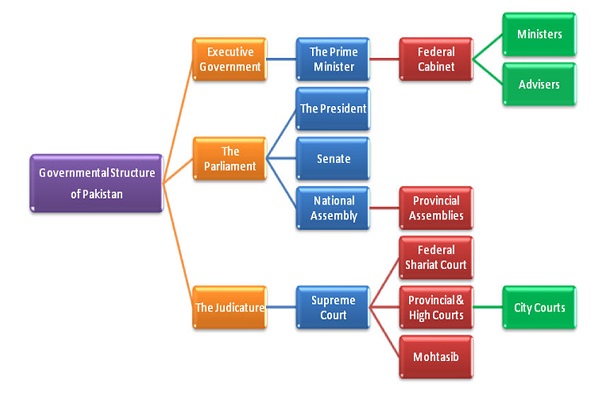
The Government is primarily made of judicial, legislative, and executive branches, where Constitution bestows all powers and authorities in Supreme Court, Prime Minister, and Parliament. The amendments and acts of Parliament define these branches’ duties and management, including the formation of departments, courts, and executive institutes inferior to SC (Supreme Court). Constitutionally, President passes bills and promulgates ordinances.
Duties of President, PM & Federal Secretaries
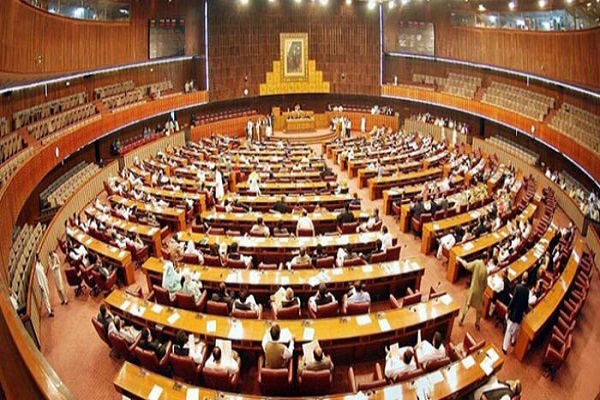
The President performs the role of state head, and Prime Minister performs the function of Chief-Executive and is responsible for running the federal Govt. The Parliament has a lower house called National Assembly and an upper house called Senate.
Federal Secretaries are the most powerful and authoritative officials in the Pakistani Government; they are the highest-ranking bureaucrats in Pakistan and run divisions and cabinet-level ministries.
Federal Law & Constitution
Pakistan’s Constitution established and made a federal Govt of 4-provinces of the Federation known as the Pakistani StateState. The Federal Govt is subject to the Constitution. It would exercise the Federation’s executive authority in President’s name by the Federal Govt consisting of Federal Ministers, and PM which shall act via PM, who shall be the Federation’s chief executive.
The PM may perform his duties directly or via Federal Ministers. The primary criminal and civil laws governing the Pakistani citizens are made in parliamentary legislation, like PPC (Pakistan Penal Code), FCR (Frontier Crimes Regulations), and ECL (Exit Control List).
By 246th Article and 247th Article of Pakistani Constitution, the Panchayat or Islamic Jirga system is an institute for the local governance.
Government of Pakistan Branches
Executive Branch
The Government’s executive branch has sole responsibility and authority for the administration of the country’s bureaucracy. The power division into the separate government branches is central to the idea of ‘Separation of Powers.’ This system is made to deliver powers away from the executive branch.
PM & Cabinet
The Pakistani PM is Government’s executive head, constitutionally appointed as CE (Chief Executive). The direct electoral process elects the PM in Parliament; PM is in charge of making the Cabinet and running Government operations.
The PM is responsible for making appointments on several significant posts, including:
- The provinces’ chief-secretaries
- The Federal-Secretaries as the head of the cabinet level-ministries
- The PM also appoints the chairperson for public-sector corporations and organizations like PNSC, PIA, TCP, NHA, etc.
- Military Personnel & Key administrative in Pakistan Armed-Forces
- High Commissioners & Ambassadors to other states/countries
- The Chairperson and members of public institutes and federal commissions
Maximum eleven percent of Parliament’s total strength could be included in the Cabinet, and every cabinet member must be a Parliament member. The Cabinet Ministers act as chairperson of Cabinet, and Pakistan’s Cabinet Secretary assist them.
Once appointed by PM, all the Cabinet Ministers’ appointment is confirmed officially by President in the special oath ceremony.
Government of Pakistan President
Pakistan’s President is State’s head representing Pakistan’s unity. The President is elected for 5-years by an electoral college comprising Senate members, 4-provincial assemblies, and National Assembly members. No individual is allowed to hold the post for over 2-consecutive terms.
Two-Thirds of the votes by Parliament members could remove President from office due to his misconduct or incapacity. The President makes the following appointments:
- Governors of 4-Provinces
- The CEC (Chief Election Commissioner)
- The Chief Justice
- The Auditor-General and Comptroller and Attorney General
The President receives testimonials of diplomats from other countries, and PM, as Head of the Govt, receives testimonials of High-Commissioners from Commonwealth’s other members.
Pakistan’s President has the power to pardon, commute, or suspend any sentence passed by any authority, tribunal, or court, especially in cases involving a death sentence.
Judicial Branch
The self-governing Judicial system of Pakistan started under the British Government, and its procedures and concepts are similar to those of the ‘Anglo-Saxon Countries.’ Later in 1950, the judicial and institutional policies were changed under American Judicial System domination to eliminate fundamental rights problems.
The judicial system consists of District Courts, Provisional High-Courts, Pakistan’s Supreme Court, Sharia Courts, Environmental Courts, and Anti-Terrorism Courts. Supreme Court of Pakistan is a superior court and comprises senior judges and Chief Justice designated by President after consulting with Chief Justice of Pakistan.
Judicature Transfer
The Supreme Court has the authority to make the ‘Judicature Transfers.’ Though the legal proceedings carried out in Supreme Court originate from its subordinate courts’ orders or judgments, the SC (Supreme Court) has the right and power to transfer any appeal, proceedings, or case pending before one High Court to another High Court.
Supreme-Judicial Council
It is mentioned in the Pakistani Constitution that the misbehavior of judges is intolerable. Under the main-frame of Pakistan’s Supreme Judicial Council 209 Article, an inquiry into the conduct or capacity of the judge, who is a Council member, could be conducted.
Civil Service
Pakistan’s Civil Service is a permanent bureaucracy of the Pakistani Government, and Civil servants enjoy a reputed and respectable position in civil society and serve as Government’s permanent officials. Not all Government employees are civil servants of the Pakistani Government; other employees come from state-owned organizations, scientific institutes, and military circles.
In a parliamentary system, ministers have the responsibility of running administration. These ministers are answerable to legislatures elected by the public. The Cabinet & its ministers set policy guidelines, and bureaucracy is responsible for enforcing and implementing them.
Federal Secretaries
The federal-secretaries are capable, experienced, and senior officials in Pakistan. Each division/ministry has the Secretary to enforce and oversee policy matters. The secretaries are grade-22 officers and are considered the most authoritative officials in Pakistan.
Due to their assignments, some 12-Federal Secretaries are regarded as most important in the Pakistani Government. These include Secretary Interior, Secretary Cabinet, Secretary Establishment, Secretary Commerce, Secretary to PM, Secretary Finance, Secretary Foreign Affairs, Secretary Power, Secretary Planning & Development, Secretary Maritime-Affairs, Secretary Industries, and Secretary Petroleum.
Cabinet Division must manage significant crises in Pakistan and coordinate the performance and responsibilities of several ministries.
Elections & Voting System
Since its foundation in 1947, Pakistan has an unsymmetrical federal Government consisting of elected office-bearers at local, tribal, provincial, and national levels. According to the Constitution, the Pakistani Government’s limit is 5-years, but if no confidence-motion happens in Parliament, the Government collapses, and the caretaker government replaces it.
The martial law was implemented for the 4-times in the country, and Supreme Court controversially approved it. Elections take place after five years.
Administration & Governments
Provincial & Local Governments
There are 4-provincial governments ruling 4-provinces of StateState, and CM leads the Government of StateState. All the provincial assemblies have a single parliamentary chamber, elected for 5-years.
President appoints Governors after consultation with PM, and those Governors act as representatives of the Federal Government and don’t have any role in running Government. The Local and tribal Government functions at the primary level.
Finances
Taxation & Budget
Pakistan has a full-fledged taxation system of over seventy taxes, and thirty-seven tax collection institutes administer this taxation system. Taxation is a controversial and debated matter in political science and the public circle of Pakistan.
According to the Intl Development Committee (IDC), Pakistan had a lower tax take, and only a 0.57% population out of 190 million people paid the income tax. Pakistan’s Finance Minister presents the yearly annual budget in Parliament in the middle of the year, and both Parliament houses pass it.
NFC-National Finance Commission Program
Constitution constitutes the NFC (National Finance Commission Award) program under Article 160 of the Pakistani Constitution. NFC program consists of a series of economic plans to control financial issues and imbalances and manage financial resources to meet four provinces’ needs.
Government of Pakistan Departments
A few departments include:
- National Museum of Pakistan
- Zoological Survey Department
- National Logistics Cell
- ZTBL (Zarai Taraqiati Bank Ltd)
- Pakistan’s National Library
- Workers Welfare Fund
- NID (National Intelligence Directorate)
- Wah Metallurgical Laboratory
- National Insurance Company
- Virtual University
- National Institute of Science & Technical Education
- USCP (Utility Stores Corporation of Pakistan)
- National Institute of Population Studies
- TCP (Trading Corporation of Pakistan)
- NIO (National Institute of Oceanography)
- TDAP (Trading Development Authority of Pakistan)
- NIH-National Institute of Health
- NIE-National Institute of Electronics
- SSGC-Sui Southern Gas Company
- National Industrial Relations Commission
- SNGPL-Sui Northern Gas Pipelines Limited
- ASF-Airports Security Force
- NPA-National Police Academy
- NSC-National Security Council
- National Textile University
- Aiwan-e-Iqbal
- APP-Associated Press of Pakistan
- BOI-Board of Investment
- BEOE-Bureau of Emigration & Overseas Employment
- CCNS-Cabinet Committee on National Security
- CDA-Capital Development Authority
- Central Board of Film Sensors
- Overseas Pakistanis Foundation
- NTDC-National Transmission & Dispatch Company
- OGDCL-Oil & Gas Development Company Ltd
- PAL-Pakistan Academy of Letters
- Oil and Gas Regulatory Authority
- NAVTTC-National Vocational & Technical Training Commission
- PARCO-Pak Arab Refinery Company Ltd
- NDU-National Defense University
- DPP-Department of Plant Protection
- CCI-Council of Common Interests
- Estate Office
- Economic Coordination Committee
- Pakistan Coast Guards
- FDE-Federal Directorate of Education
- FFC-Federal Flood Commission
- PCB-Pakistan Cricket Board
- Financial Monitoring Unit
- PEC-Pakistan Engineering Council